

By Dr. Manijeh Motaghy
You can encounter people anywhere. Look, they’re sitting at airport gates, walking through shopping aisles, looking out car windows, holding on metal poles on trains, lounging on park benches, flying through skies on planes. When I see people, I often wonder: what are they thinking, hoping, or dreaming of? I imagine their struggles, insecurities, and their inner desires to feel empowered, loved, nourished, respected, and be successful. When see their inner world, my eyes shine through a smile and I say in my mind: may you be at ease and empowered to be whoever you are!
And What About All The Angels on the Road?
There are moments on every journey when someone helps us find our ways; other times,we become the one offering comfort or clarity. We can all be “angels on the road.” On a flight to Las Vegas for a book festival,
I met a young African American soccer coach who wanted to focus on mental health for her players. When she saw my book, It’s Not Easy to Be Human, in hand, she asked what it was about. As I described the lessons of inner guidance, emotional intelligence, and self-love, her eyes lit up. “This would help my athletes so much,” she said, and became eager to join the
We Could Have Resilient Future Generations
After the fun book festival, the taxi driver who took me back to the airport spoke of his two young children and was curious about why I had flown to Las Vegas for just a few hours. When I told him about the book festival and my work, his face lit up with a wide smile. “A manual for life,” he said, “that’s something everyone needs.” He was from Ethiopia and had been a resident there for decades. He talked about the joys and difficulties of being a father, the fears and uncertainties of modern life, and his aspirations for raising resilient, responsible children.
“Oh, resilience would be less needed, if they were trained in life intelligence.” I told him. “They’d be effortlessly living and flowing with life and not take natural difficulties personally. They’d have an inner manual that keeps them calm, objective, patient, and compassionate.
For example, I continued, “If they could see their own thoughts as just thoughts—not as facts—they’d be ahead of the game. If they could feel their emotions and know they are energies in motion, not as stories to believe, they’d be calm and patient. If they could listen to silence, watch things as they arise and pass, they’d see how being attached to wants and ideas could bring them unhappiness. They could feel more grateful and content by realizing how everything in life is serving them. They’d be conscious of this road with all that it took to build, the wheel in this car helping you steer, their shoes, books, water, food, bed, and breath, and everything in between as elements serving them. They’d make fewer mistakes, and have fewer reasons for regret.”
His looked me in the rear-mirror with mouth opened in wonder! “That’s beautiful,” he said softly.
We Can Lead Happier Lives as We Become More Conscious Humans
As human being, whether in an airport or a taxi, whether leading a team or caring for a family, or creating policies, we all carry the same longing: to be seen, loved, and be capable. The more we develop and connect through inner peace and empathy, the easier it becomes to be whoever we are.
Seeing others as precious, thinking some are more developed than others, and some less is true empowerment for oneself and others. The kind of empowerment that fuels peace, tolerance, and collective growth. That’s what my book, It’s Not Easy to Be Human: A Compassionate Journey and Guide to Optimize Human Potential, Achieve Fulfilment, and Systemic and Ecological Well-Being and the community of readers invite us to do: join us in making it easy to be human, together.
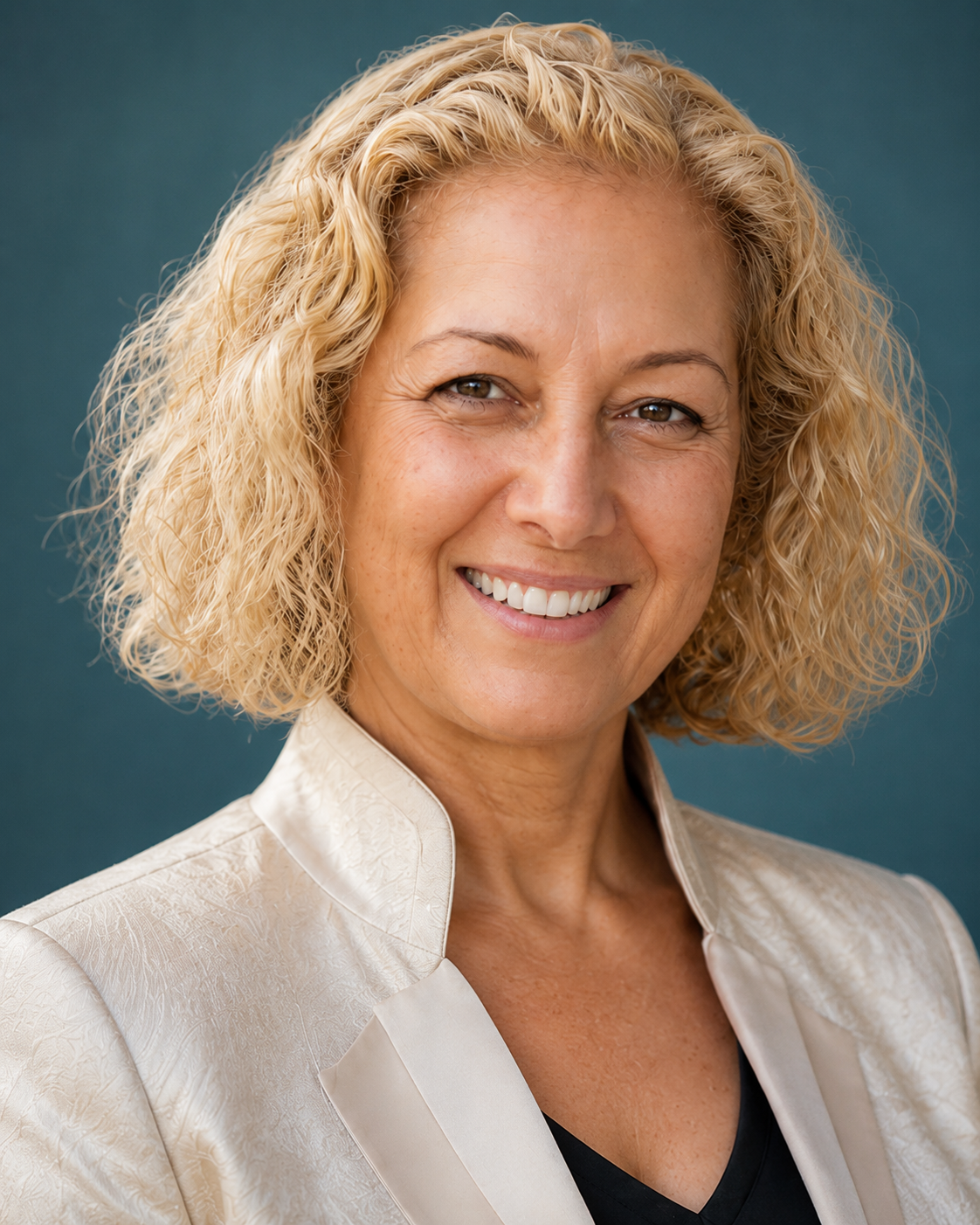 For more topics from Dr. Manijeh Motaghy go to https://perfectlyhere.org/press-publications/.
To learn more about Dr. Motaghy see her LinkedIn profile.