MLO 407: The Art of Happiness
Learn the Skills That Support Happiness, Resilience, and a Meaningful Life
A course in happiness, emotional well-being, mindfulness, resilience, and human development.
6 Wednesdays: (June 24 to July 29) – 11:30 – 1 PM, Pacific Time, Live on Zoom and In-Person
6 Thursdays: (June 18 to July 23) – 7-8:30 PM, Pacific Time, Live on Zoom
What Is the Art of Happiness?
Happiness is not merely a feeling that appears when conditions are perfect. It is a set of skills that can be learned, practiced, and strengthened.
Most people want to be happy.
Yet few of us were ever taught how happiness works.
We learned how to achieve, perform, solve problems, and meet responsibilities—but not how to understand our minds, regulate emotions, build healthy relationships, or create the conditions that support lasting well-being.
As a result, many people find themselves stressed, overwhelmed, dissatisfied, or searching for something more, even when life appears successful on the outside.
The Art of Happiness is a practical course in happiness, emotional well-being, mindfulness, resilience, and human development.
Drawing from psychology, mindfulness, neuroscience, and the Mindful Life Optimization (MLO) methodology, participants learn how thoughts, habits, relationships, choices, and life conditions influence happiness—and how to cultivate greater clarity, resilience, contentment, and purpose.
This course is not about positive thinking or avoiding life’s challenges.
It is about understanding the causes and conditions that contribute to happiness and suffering, and developing the skills needed to navigate life more wisely and skillfully.
Frequently Asked Questions
Class Fee
- Regular: $268
- Scholarship rate: $168
For work-exchange opportunities write to: info@perfectlyhere.org
Why This Matters Now:
In a world that is rapidly evolving—technologically, socially, and psychologically—many of us are becoming more capable externally, but not necessarily more stable internally.
You May Experience:
- Increased stress and confusion
- Repeated emotional patterns
- Difficulty navigating complexity with clarity
- The art of happiness is no longer a luxury.
- It is a necessary form of human development.
This course offers a way to build that foundation—intentionally and systematically.
What You’ll Experience Along the Way?
As you move through this course, something subtle but powerful begins to shift.
You will cultivate:
- More moments of enjoyment
- Resilience in the face of unhealthy desires
- Increased awareness and appreciation of the little things
- A growing sense of steadiness—even when life is uncertain
- A deeper understanding of yourself and others
- Easier ways to communicate your mind and heart
- A natural shift from forcing happiness → to allowing it to emerge
- Clearer purpose for your life and making this human life count
This is the art of happiness in practice—not as an idea, but as a lived experience.
A Simple Exercise in Happiness
While speaking in Bulgaria, I invited two volunteers to the front of the room and asked them to take turns asking each other one question:
“What brings you happiness?”
At first, the question felt surprisingly personal. No one raised their hands to volunteer.
But as the two participants came up and listened to each other’s answers, they discovered that many of the things that brought one person happiness also mattered deeply to the other.
Afterward, I invited everyone to pair up and ask the same question while practicing full attention.
One participant shared that talking about joyful experiences made them feel joyful all over again.
Two brothers who initially resisted the exercise, believing there was nothing new to learn about each other, found the conversation calming, refreshing, and meaningful.
The exercise lasted only a few minutes, but it revealed something important:
Happiness is not only something we feel.
It is something we help create through awareness, attention, communication, understanding, dealing with what makes us misrable, and the choices we make every day.
These are some of the skills we will explore in The Art of Happiness.
Course Structure:
- Weekly guided sessions
- Practical tools and exercises
- Reflection and integration practices
- Community connection
- Home practices and handouts
- Recorded sessions
About the Instructor
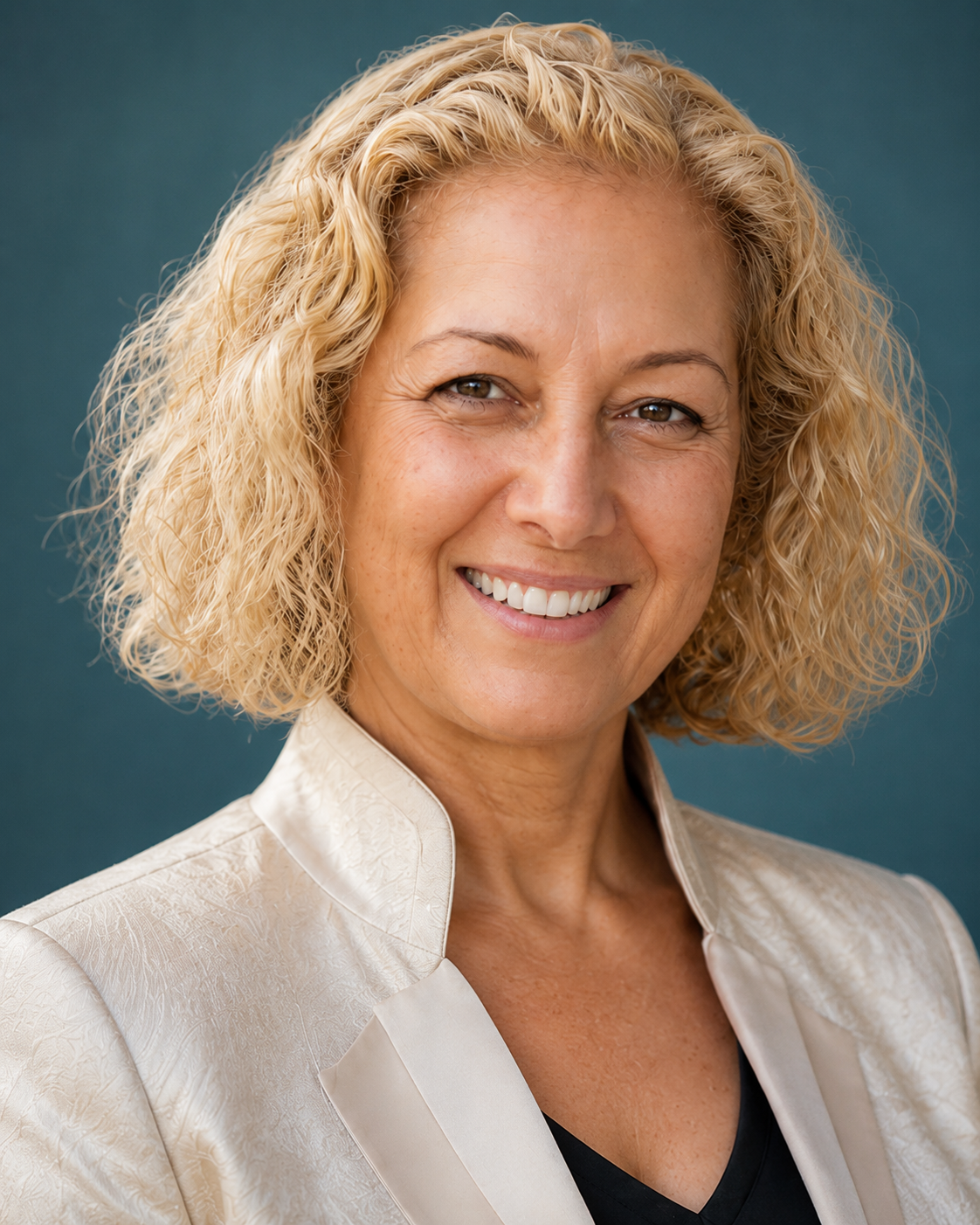
Dr. Motaghy is an organizational psychologist, UCLA mindfulness instructor, and the creator of the Mindful Life Optimization (MLO) methodology—a comprehensive framework designed to develop the inner skills and understanding necessary for a fulfilling life.
For two decades, she has guided thousands of individuals—including professionals, students, and leaders—in cultivating clarity, resilience, emotional steadiness, and meaningful direction. Her work integrates psychology, mindfulness, systems thinking, planetary well-being, and real-life application to address the root causes of human suffering and happiness.
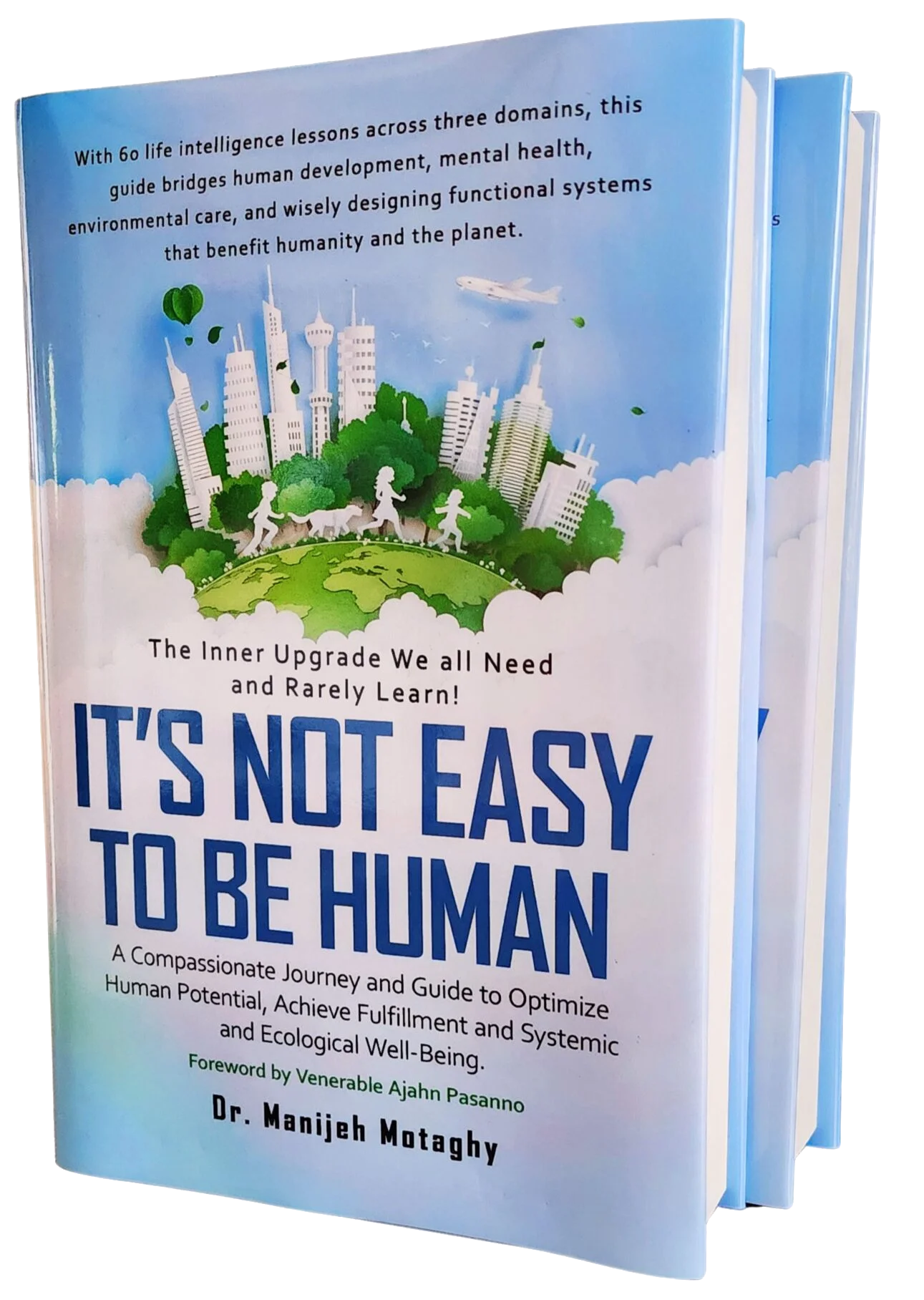
She is the author of It’s Not Easy to Be Human: A Compassionate Guide and Journey to Optimize Human Potential, Achieve Fulfilment and Systemic and Ecological Well-being.
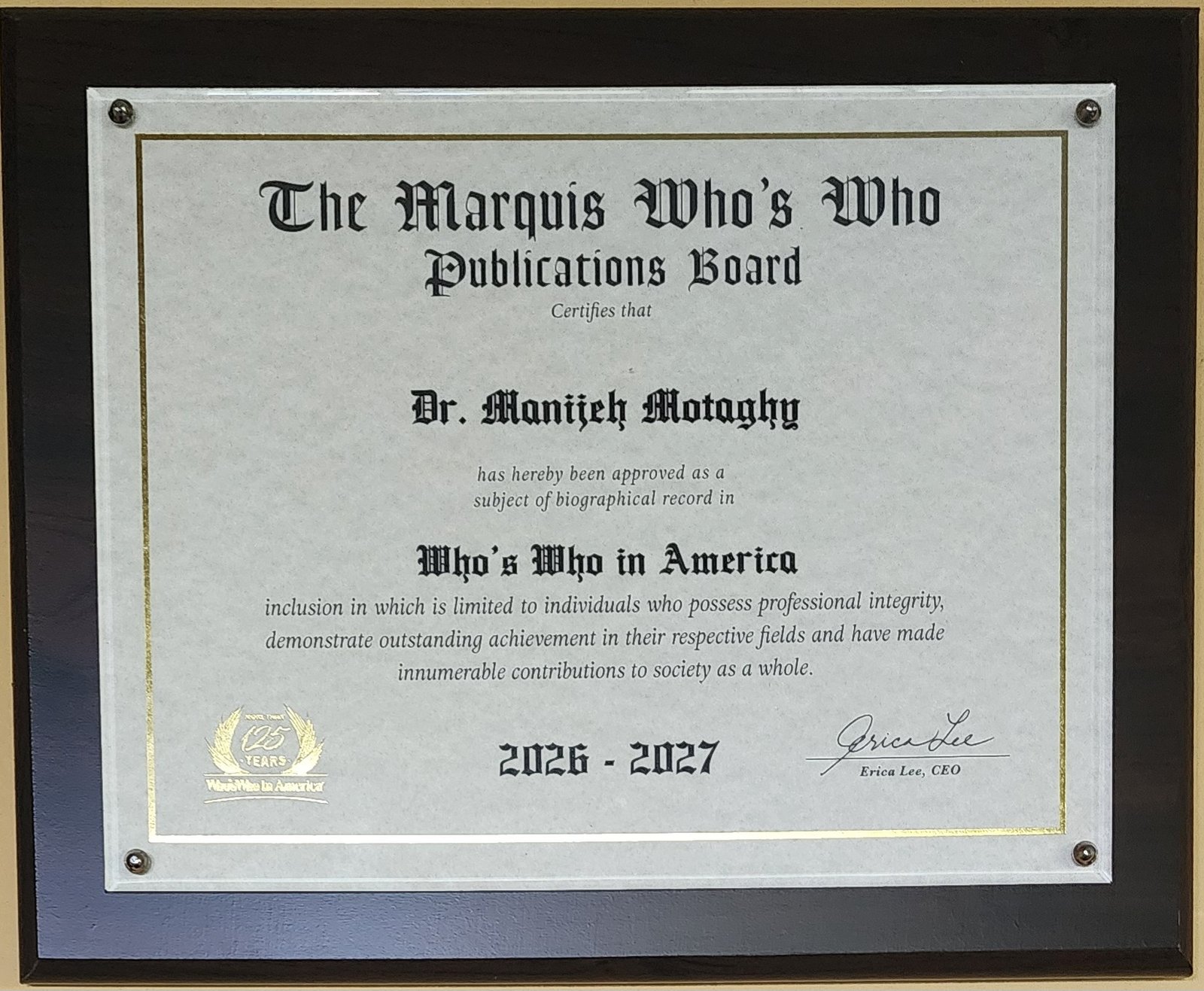 Among many of her awards and accomplishments, Dr. Motaghy has been recognized for her contributions to human development and was recently listed in Marquis Who’s Who in America, a longstanding publication that profiles individuals based on professional achievement and impact.
Her teaching is grounded, experiential, and deeply human—focused not on quick fixes, but on lasting transformation.